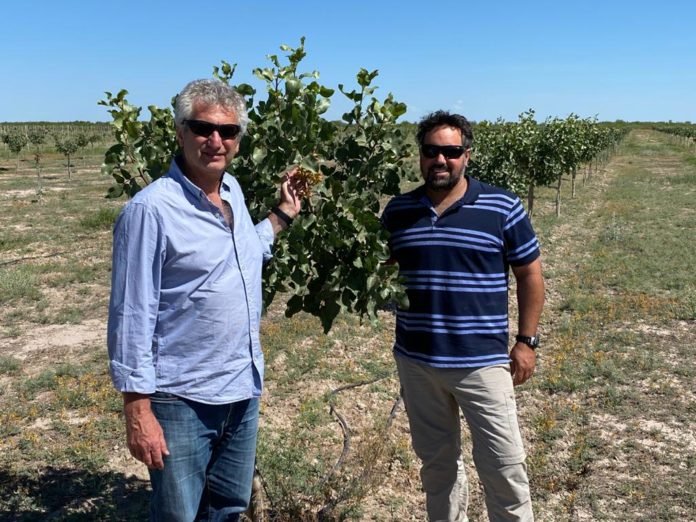
Pistachos de los Andes is an agricultural project that began in 1998. Its director, Marcelo Nemirovsky (an entrepreneur from the renewable energy sector in Buenos Aires), decided to invest in the development of an innovative crop. To carry it forward, he brought in Mendoza-based agronomist Pablo Camilo García, who serves as an advisor.
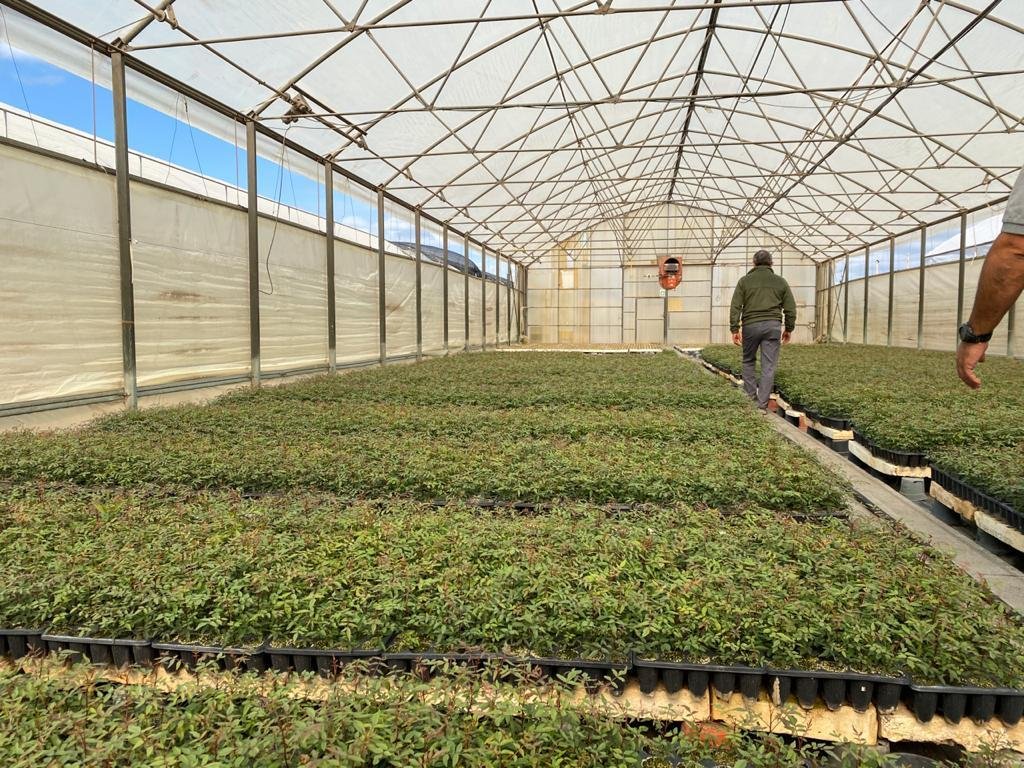
The venture has a 300-hectare pistachio plantation located in Punta del Agua, 25 de Mayo, San Juan, as well as a nursery and a processing plant where 28 people are employed.
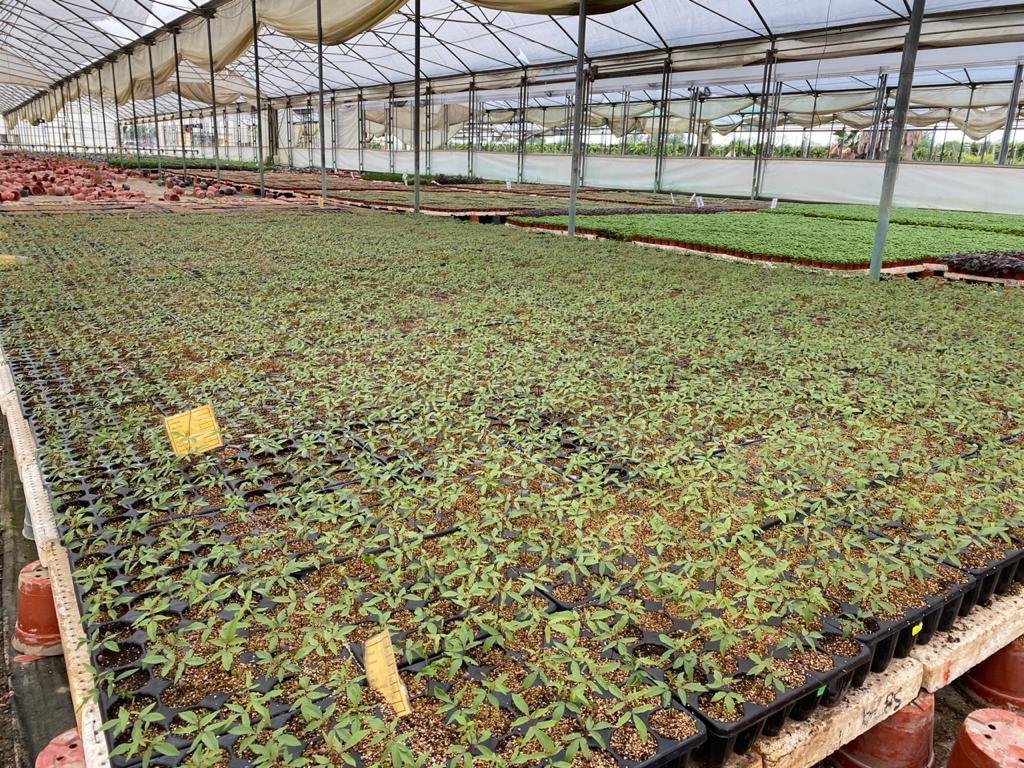
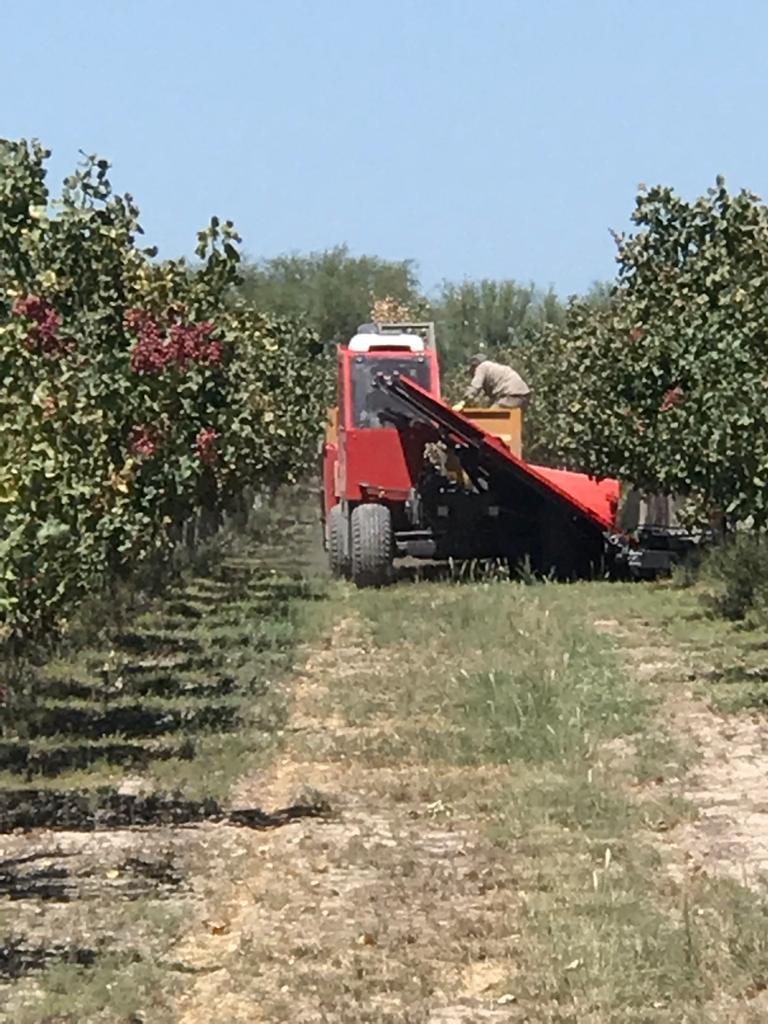
“We develop the entire pistachio production cycle: seed germination, planting, harvesting, processing, packaging, and commercialization in different formats. We have a presence in the domestic market and export to Spain, Italy, Brazil, Chile, and Colombia,” says Marcelo Nemirovsky.
Regarding the current price of pistachios, he states: “The price per kilogram of in-shell pistachios ranges between 9 and 10 dollars, and shelled pistachios between 17 and 19 dollars.”
Turnkey farms
“Our experience as nursery growers allows us to promote comprehensive plantation projects aimed at producers and entrepreneurs,” says Nemirovsky. “These consist of 360° advisory services for pistachio cultivation: selection of suitable agroclimatic zones, soil preparation, plantation design, supply of plants, and irrigation systems.
The initial investment for these turnkey farms, depending on each project, ranges between 15,000 and 18,000 dollars per hectare. This is a business where patience and a long-term vision are key, as pistachio trees take around 10 years to reach full production.
We have noticed that in recent years there has been sustained growth in global demand for pistachios due to their health benefits. In Argentina specifically, more health food stores and natural shops are opening, and this nut is becoming an attractive productive unit with great opportunities,” he highlights.
A triple-impact company
Regarding the current projects of Pistachos de los Andes, he explains: “We recently acquired a 150-hectare farm located across from our plantation, which will allow us to expand our production. We are installing the irrigation system, and the plan is to plant in September.
We are committed to creating value in a desert and isolated area through the recovery of unproductive land, the creation of quality local jobs, continuous training, and environmental care. We generate no waste in our production process, as we use pistachio shells and hulls to produce compost, which we then use as a natural soil fertilizer.”
Our processing plant is certified under the HACCP 2020 standard (Hazard Analysis and Critical Control Points), and we are working on implementing Good Agricultural Practices. We aim to become a triple-impact company (social, environmental, and economic).
Source: Mariana Zeitune, Ecocuyo.